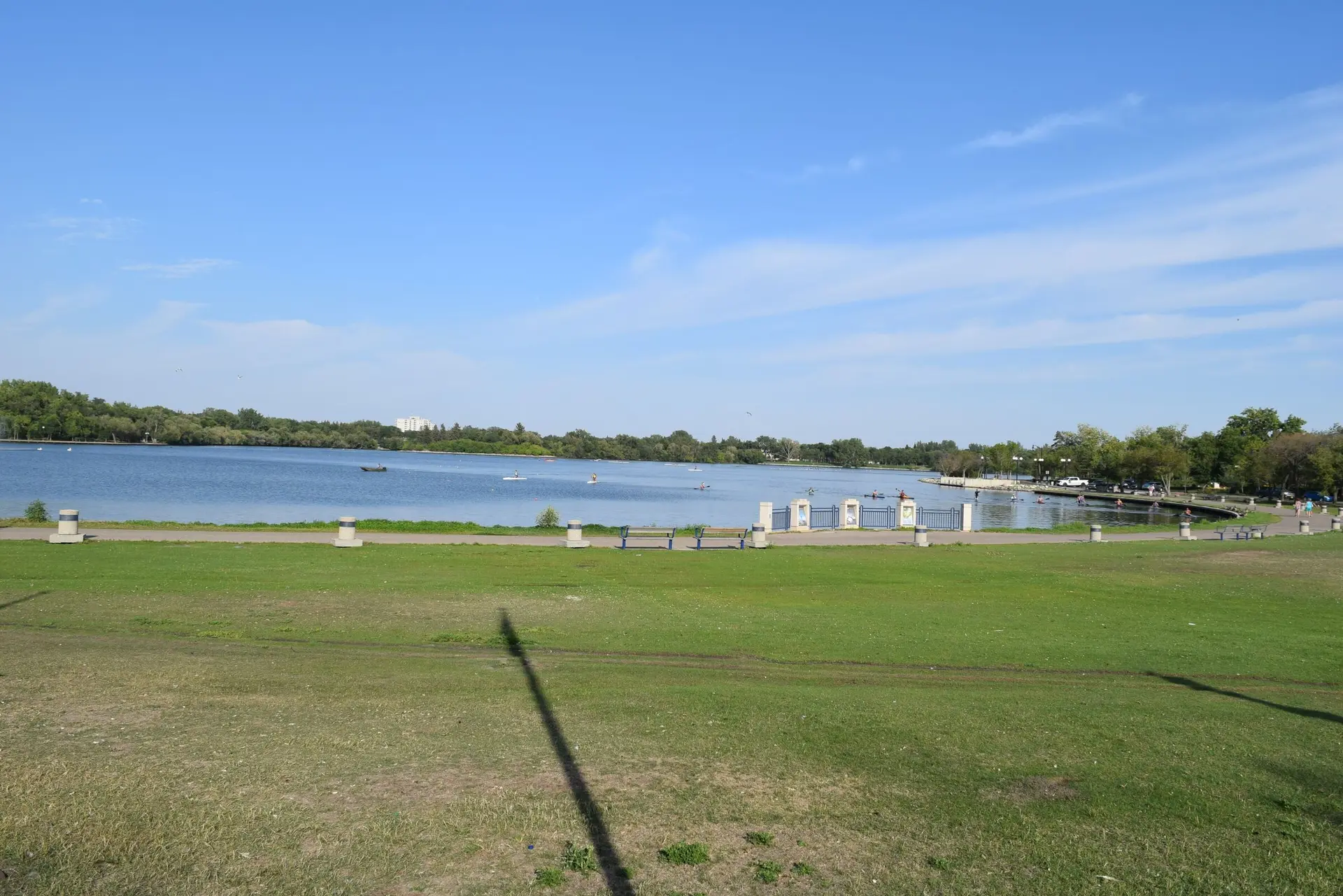

Active
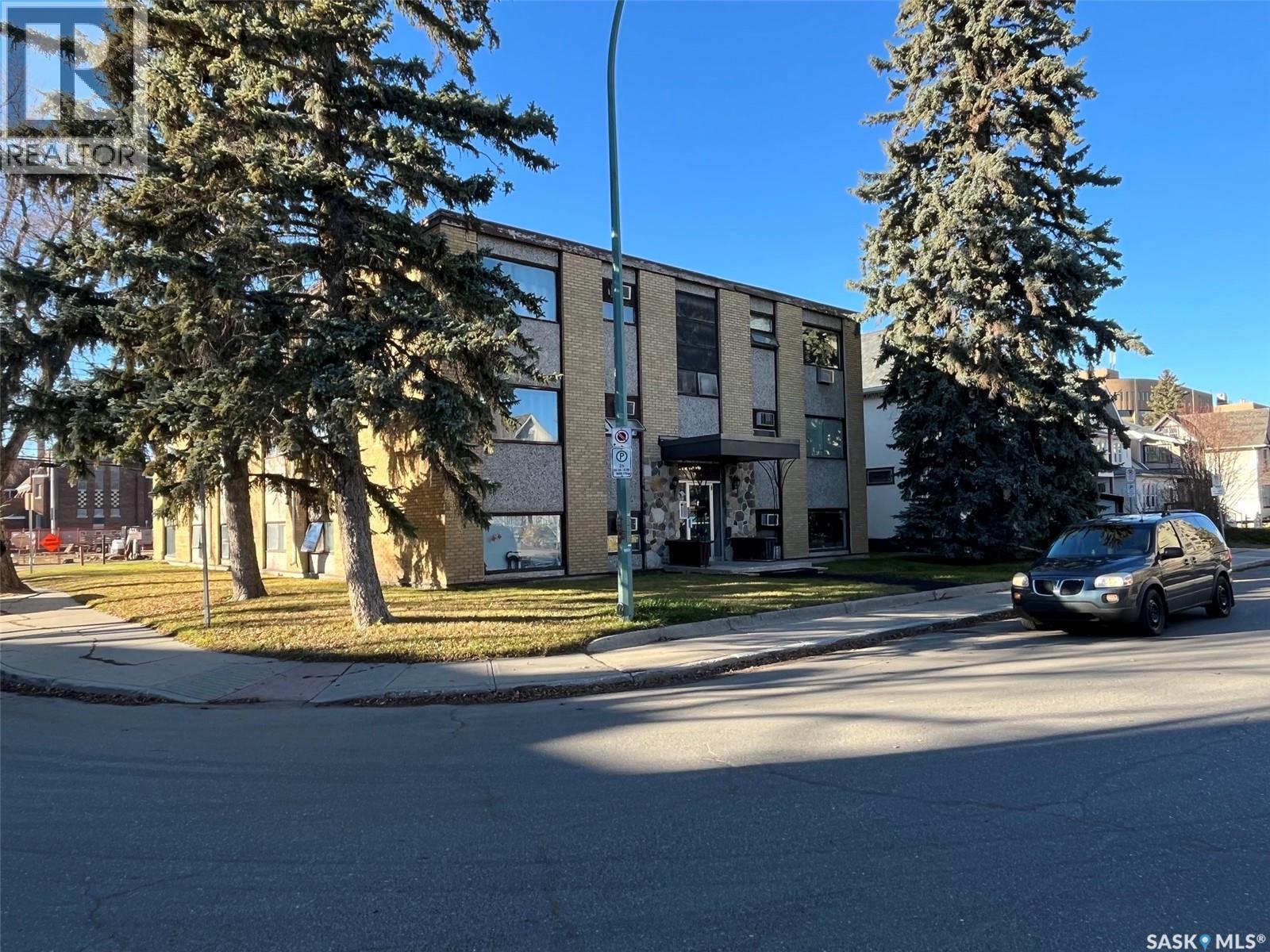
$2,499,900
2174 McIntyre STREETRegina, Saskatchewan
- MLS® SK052863
Listed by Sutton Group - Results Realty
Computed from the 6 active MLS® System listings for sale on this page, as of November 16, 2026. Asking prices, not sold prices. Deemed reliable but not guaranteed.
Active MLS® listings, November 16, 2026. Asking prices.
Multi-family buildings listed for sale in Regina.
Active
$2,499,900
2174 McIntyre STREETRegina, Saskatchewan
Active
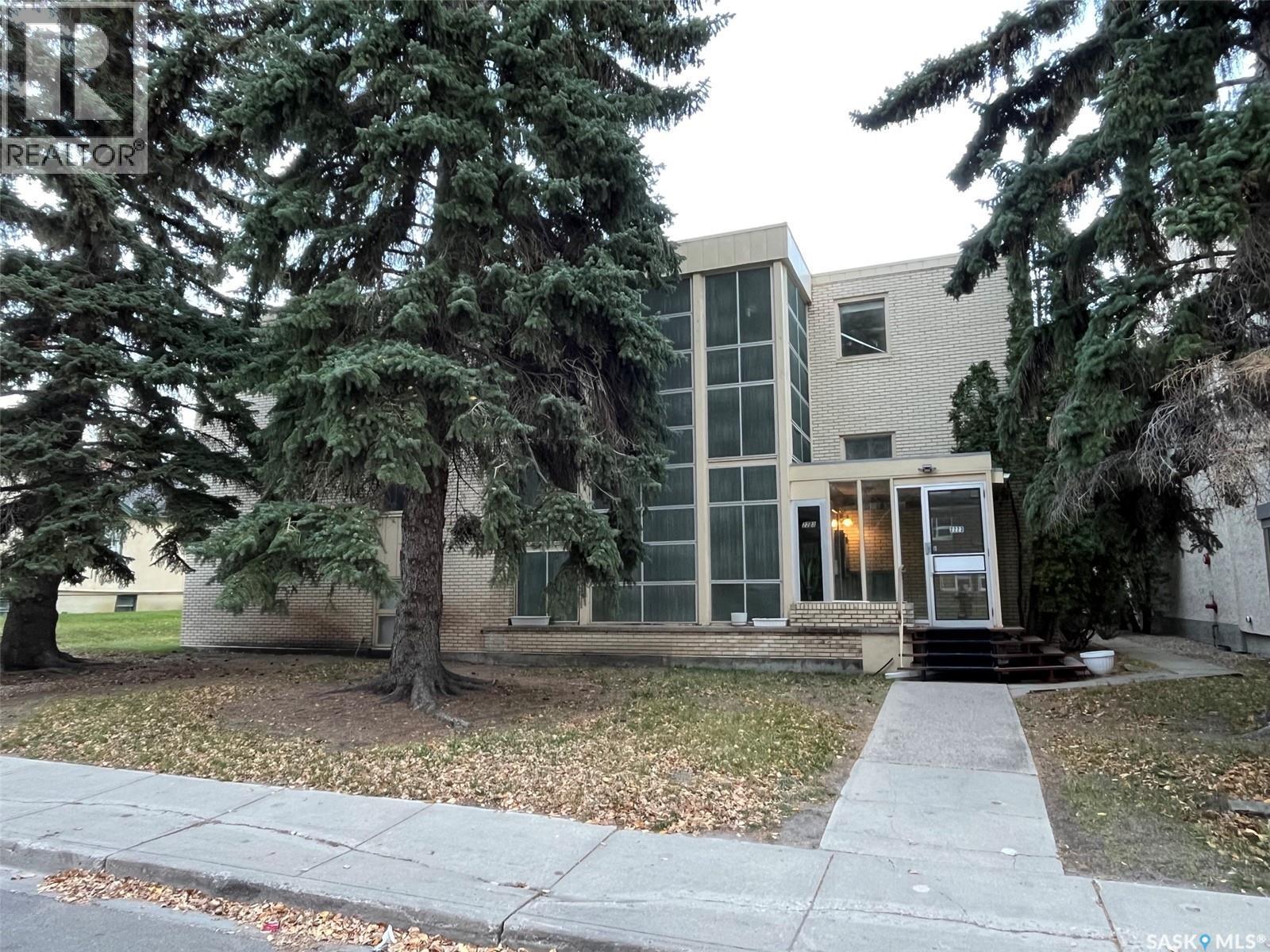
$1,679,000
2223 McIntyre STREETRegina, Saskatchewan
Active
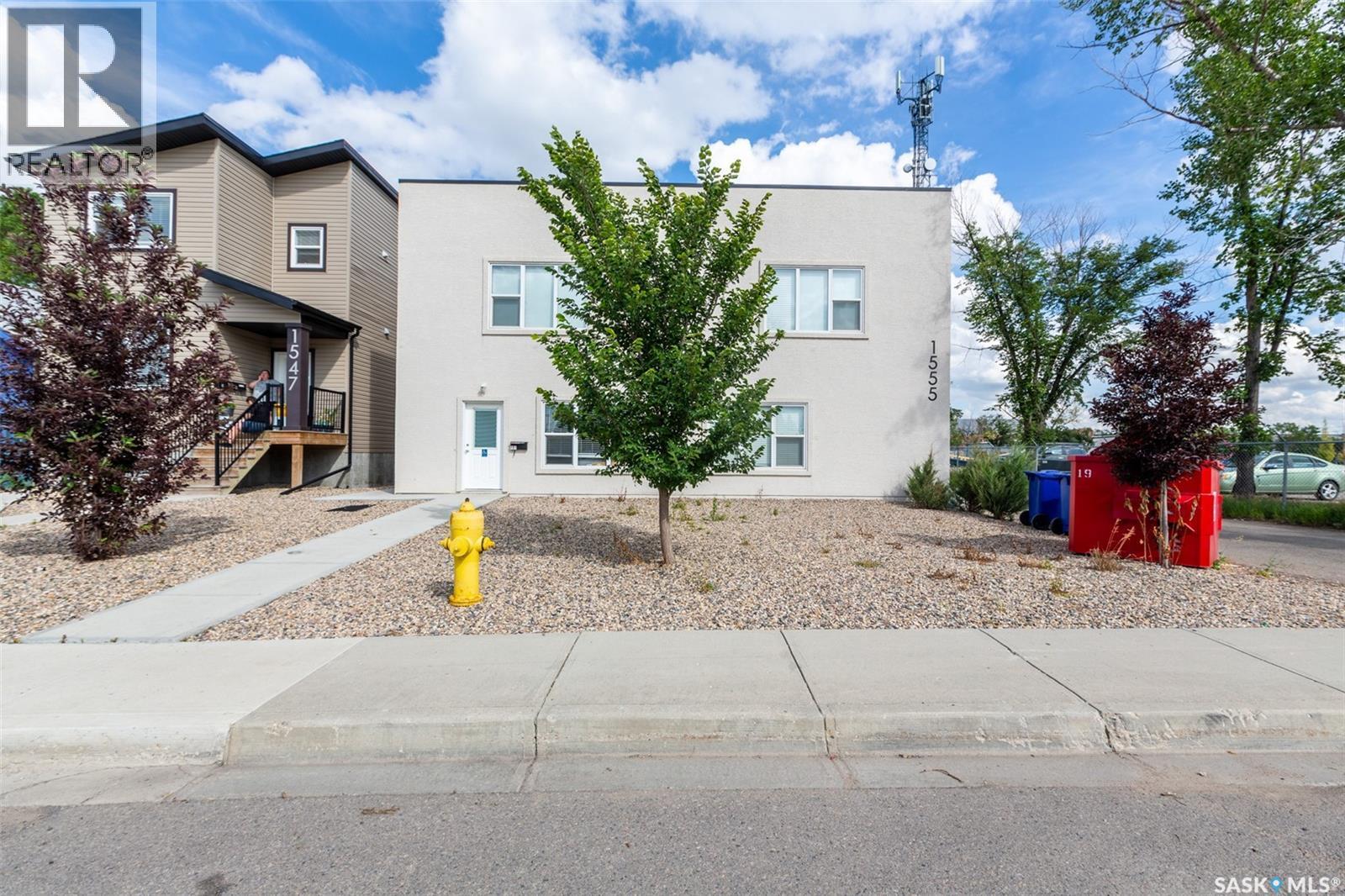
$939,900
1555 Princess STREETRegina, Saskatchewan
Active
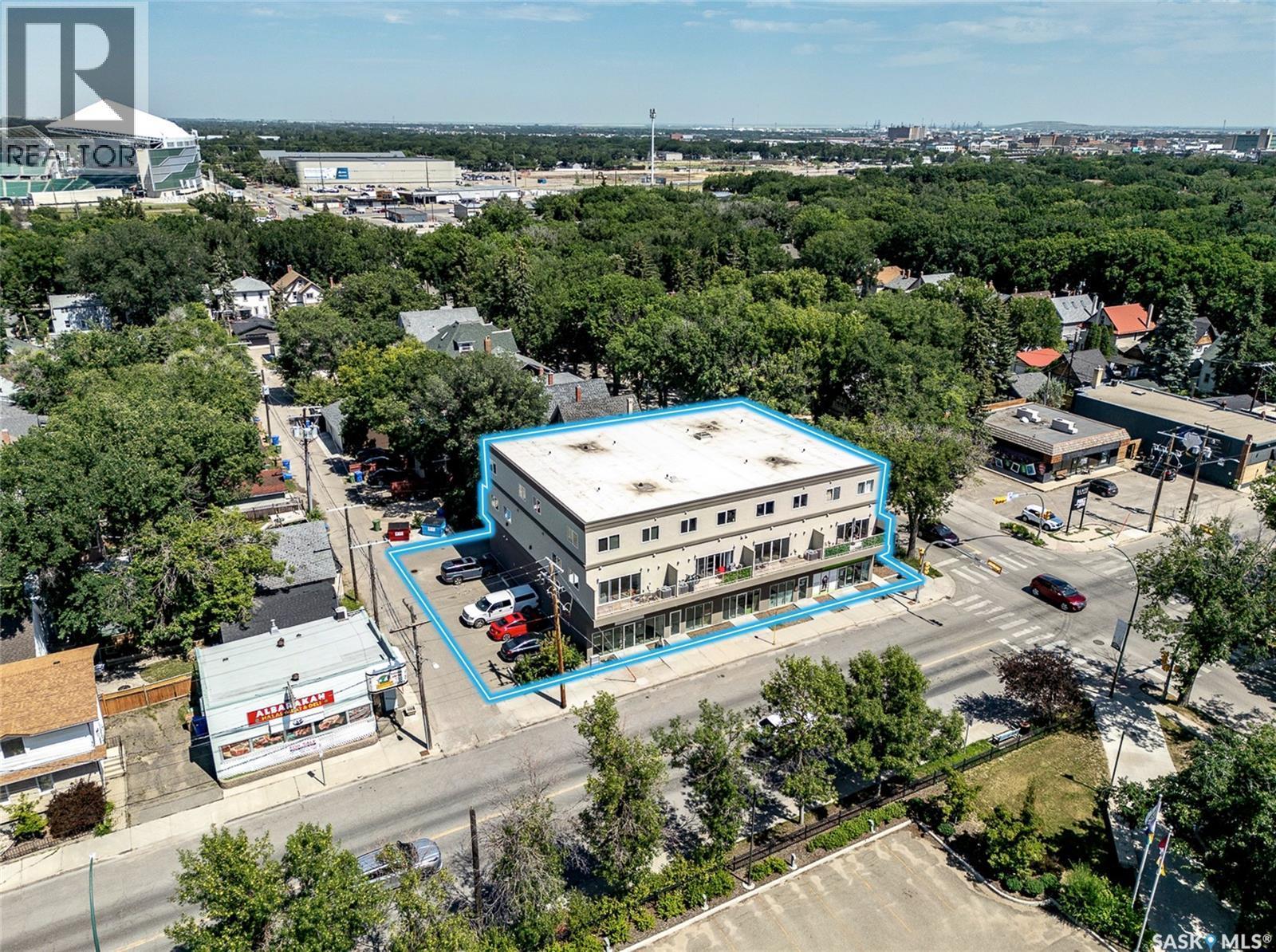
$4,199,999
3504 13TH AVENUERegina, Saskatchewan
Active
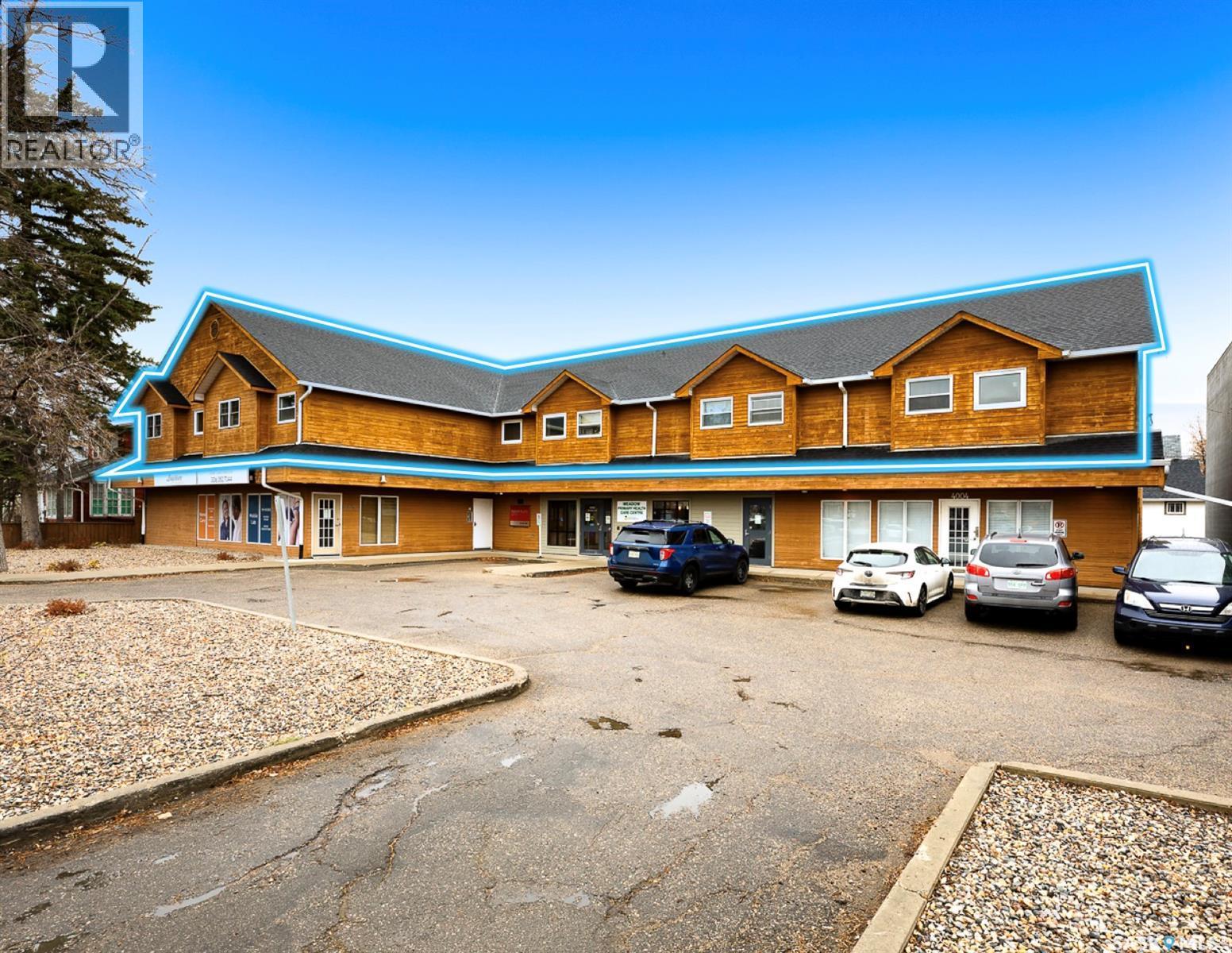
$589,999
4008 DEWDNEY AVENUERegina, Saskatchewan
Active
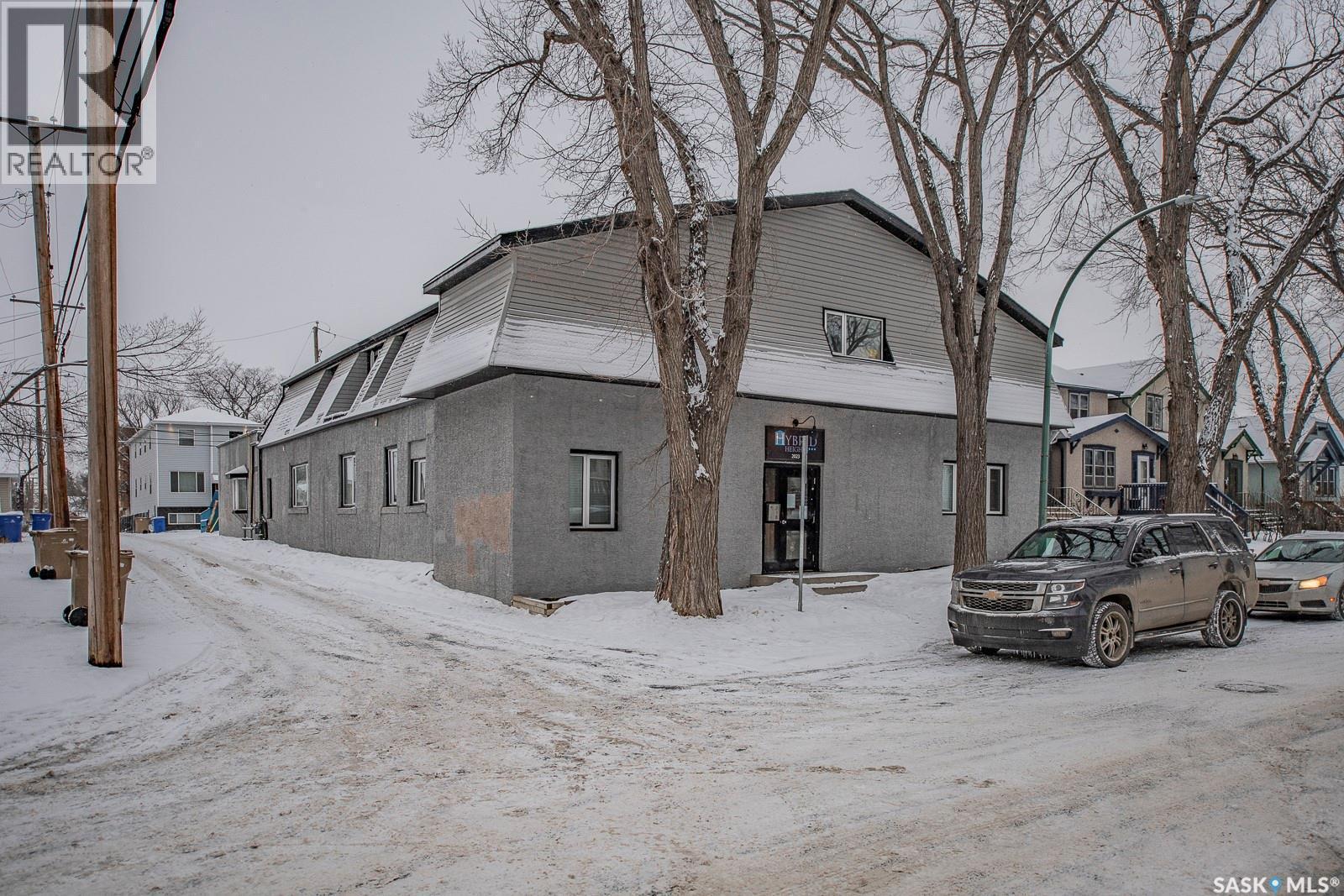
$879,900
2023 Ottawa STREETRegina, Saskatchewan
Computed from the 6 active MLS® System listings for sale on this page, as of November 16, 2026. Asking prices, not sold prices. Deemed reliable but not guaranteed. Prices and days are left out when fewer than 5 listings stand behind them.Sold prices are not shown for this page: the sold data on this site counts detached houses only, with no split by this property type.
Apartment buildings and multi-family properties are a different kind of real estate purchase, and I want to be upfront about that. This isn't about finding a place to live — it's about finding an investment that makes financial sense.
Regina has a few things going for it as a multi-family market. The city's economy is anchored by government, agriculture, and the energy sector.
The multi-family market here ranges widely:
Small multi-family (2-4 units) — These are often converted homes or purpose-built duplexes, triplexes, and fourplexes. They're found throughout established neighbourhoods like Cathedral, Eastview, Broders Annex, and North Annex.
Mid-size buildings (5-20 units) — Purpose-built apartment buildings in this range are scattered across the city, often in areas like Gardiner Park, Walsh Acres, Normanview, and Hillsdale. These require commercial financing but offer economies of scale.
Larger buildings (20+ units) — These are institutional-grade investments that come up less frequently.
Buying an apartment building isn't like buying a house. The numbers have to make sense — and I mean really make sense, not just on a seller's pro forma. Here's what I walk my clients through:
Income verification. I want to see actual rent rolls, not projected rents. What are tenants actually paying? What's the vacancy history? Are leases month-to-month or fixed term?
Expense analysis. Property taxes, insurance, utilities (who pays what), maintenance history, and capital expenditure needs. An older building with low expenses on paper might just mean the current owner has been deferring maintenance.
Condition assessment. Roof, boiler, windows, electrical, plumbing — the big-ticket items. Replacing a boiler in a 20-unit building isn't a small expense, and you want to know what's coming.
I don't pretend that every apartment building is a good deal. Some are, and some aren't. My job is to help you figure out which is which before you commit your capital.