
Active
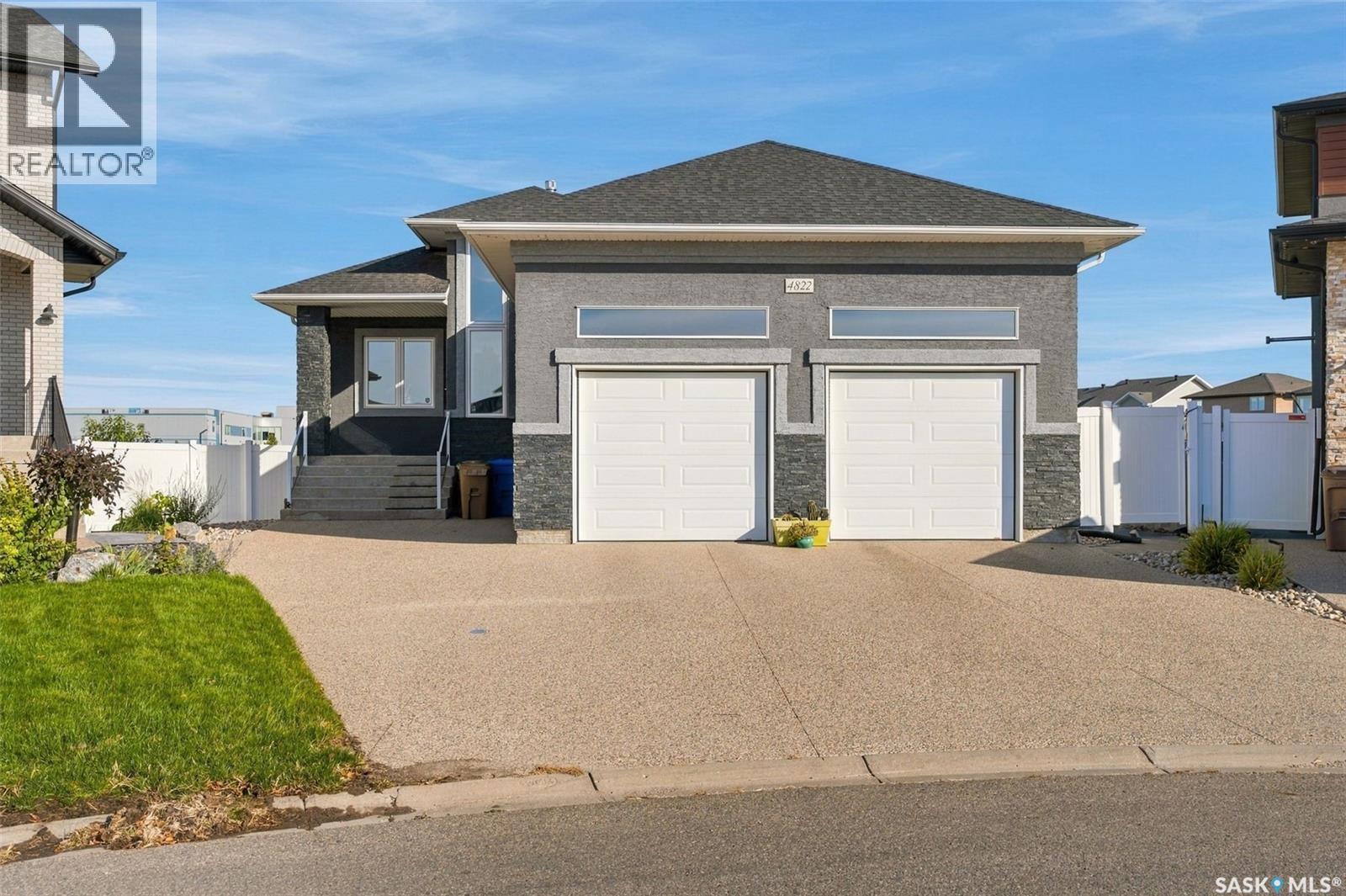
$949,900
4822 Green View CRESCENT ERegina, Saskatchewan
- 5 Beds
- 3 Baths
- MLS® SK052495
Listed by RE/MAX Crown Real Estate
Greens on Gardiner started developing in the mid-2000s with traditional suburban layouts—front-loading garages, conventional lot configurations, single-family homes as the primary product.
Figures are computed from MLS® System data of the Saskatchewan REALTORS® Association for detached homes that sold for $250,000 or more, November 7, 2024 to November 6, 2026. Deemed reliable but not guaranteed. Condos, townhouses, acreages, homes outside the city and sales under $250,000 are not counted. Homes for sale and listings that ended without a sale are counted the same way, as of November 9, 2026. MLS® data exported November 9, 2026.
Detached homes, $250,000 and up. MLS® data, Nov 2024 to Nov 2026.
Active
$949,900
4822 Green View CRESCENT ERegina, Saskatchewan
Active
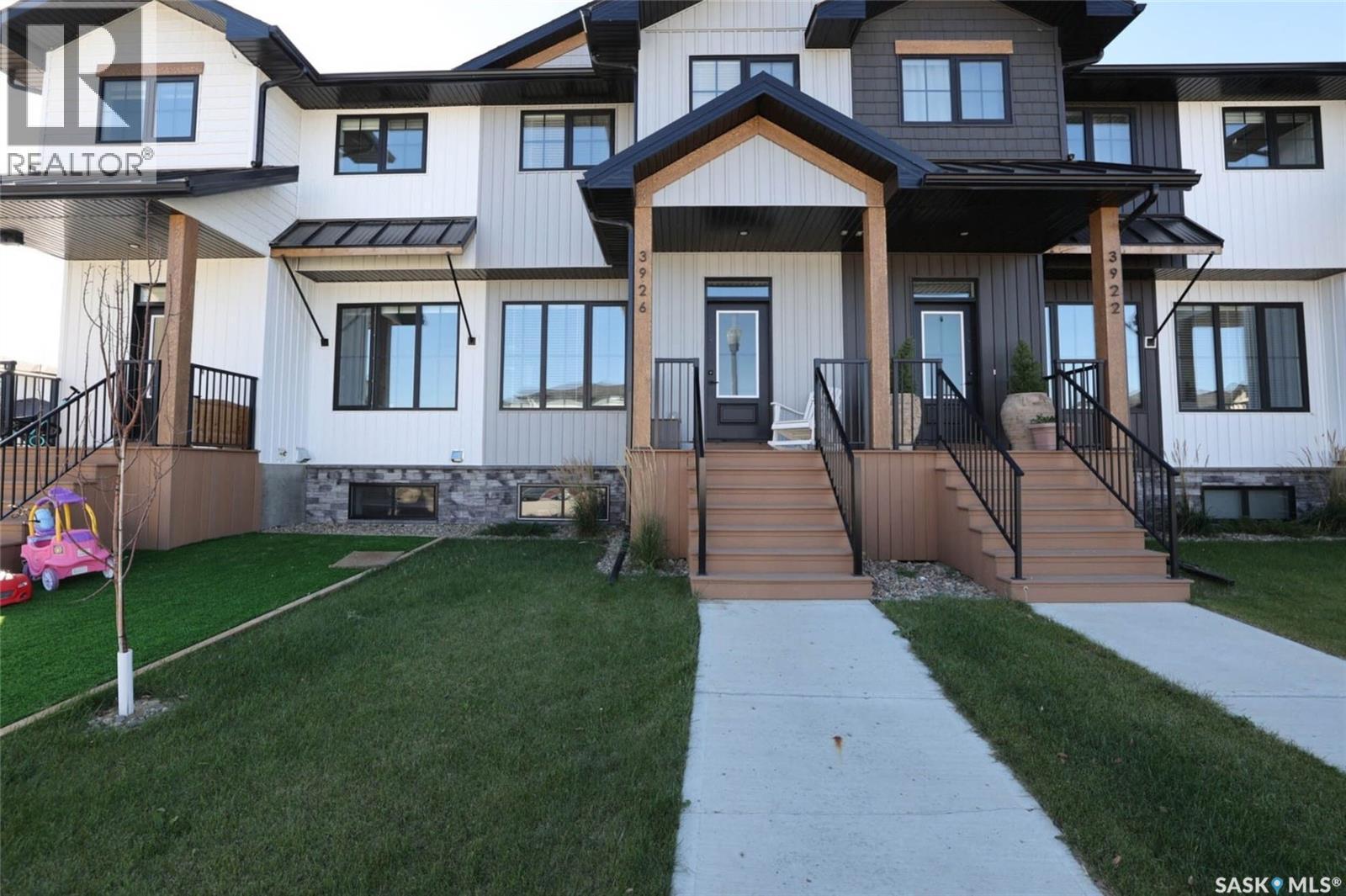
$429,900
3926 Green Diamond ROADRegina, Saskatchewan
Active
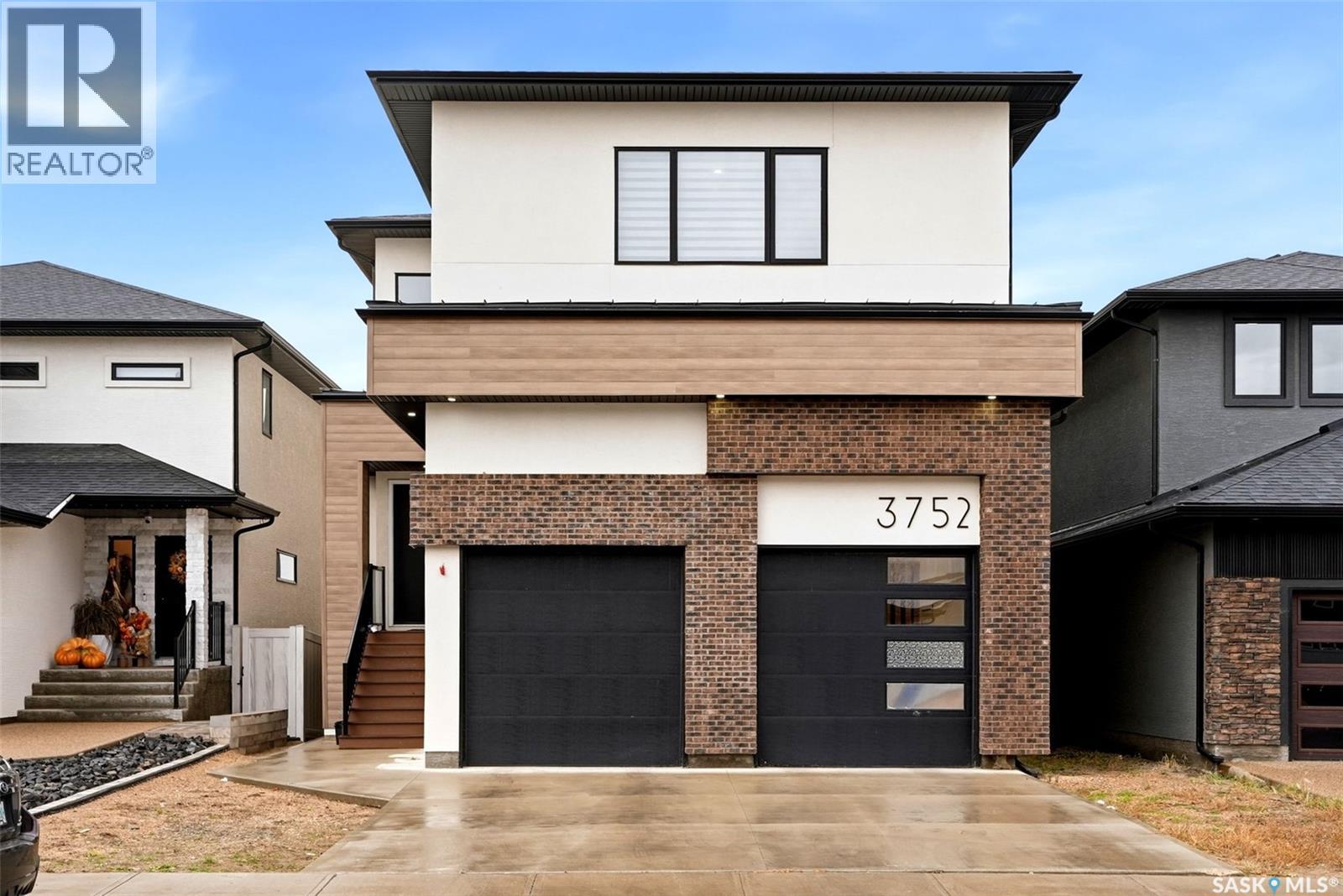
$1,100,000
3752 Gee CRESCENTRegina, Saskatchewan
Active
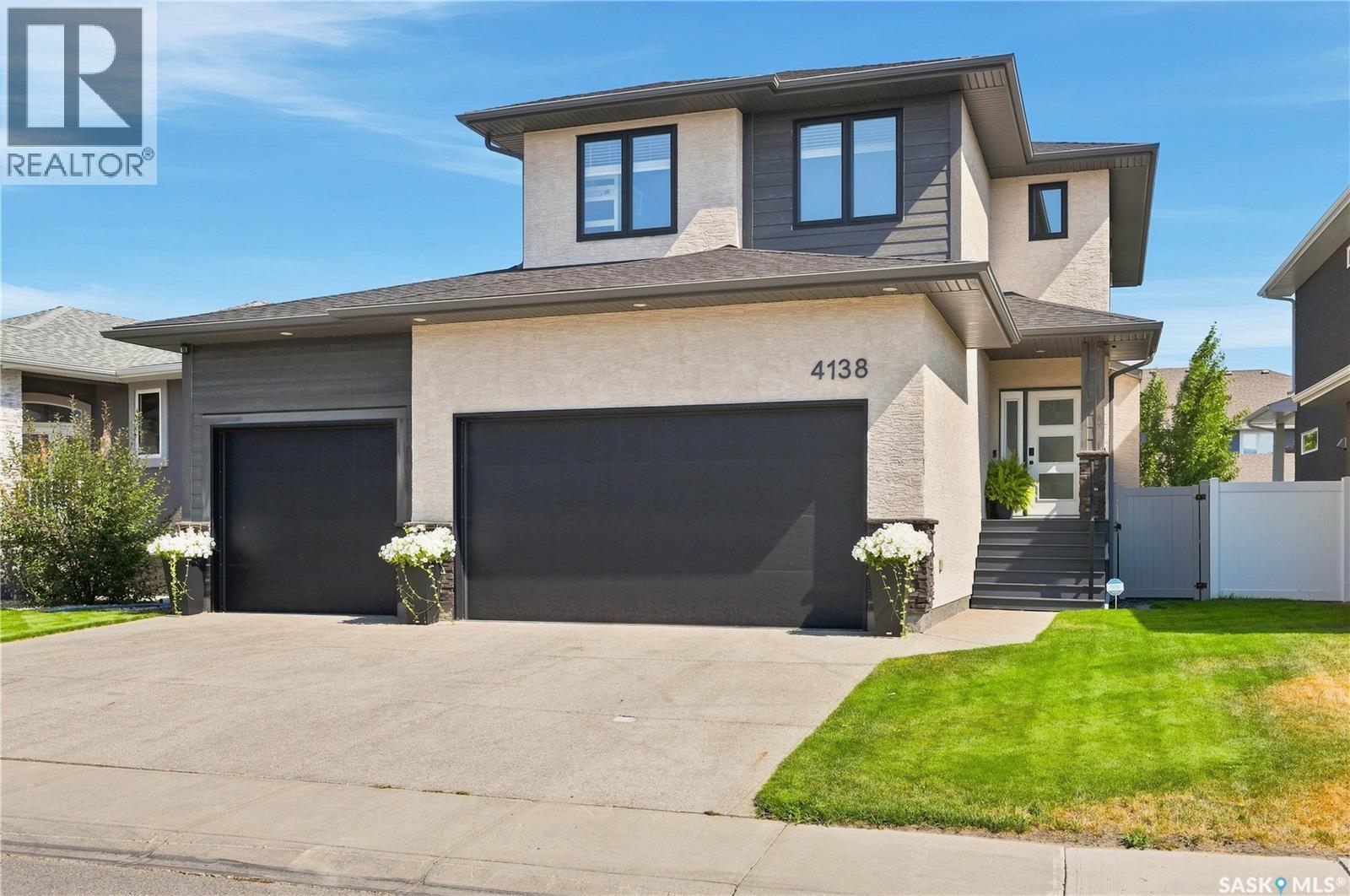
$769,900
4138 Green Olive WAY ERegina, Saskatchewan
Active
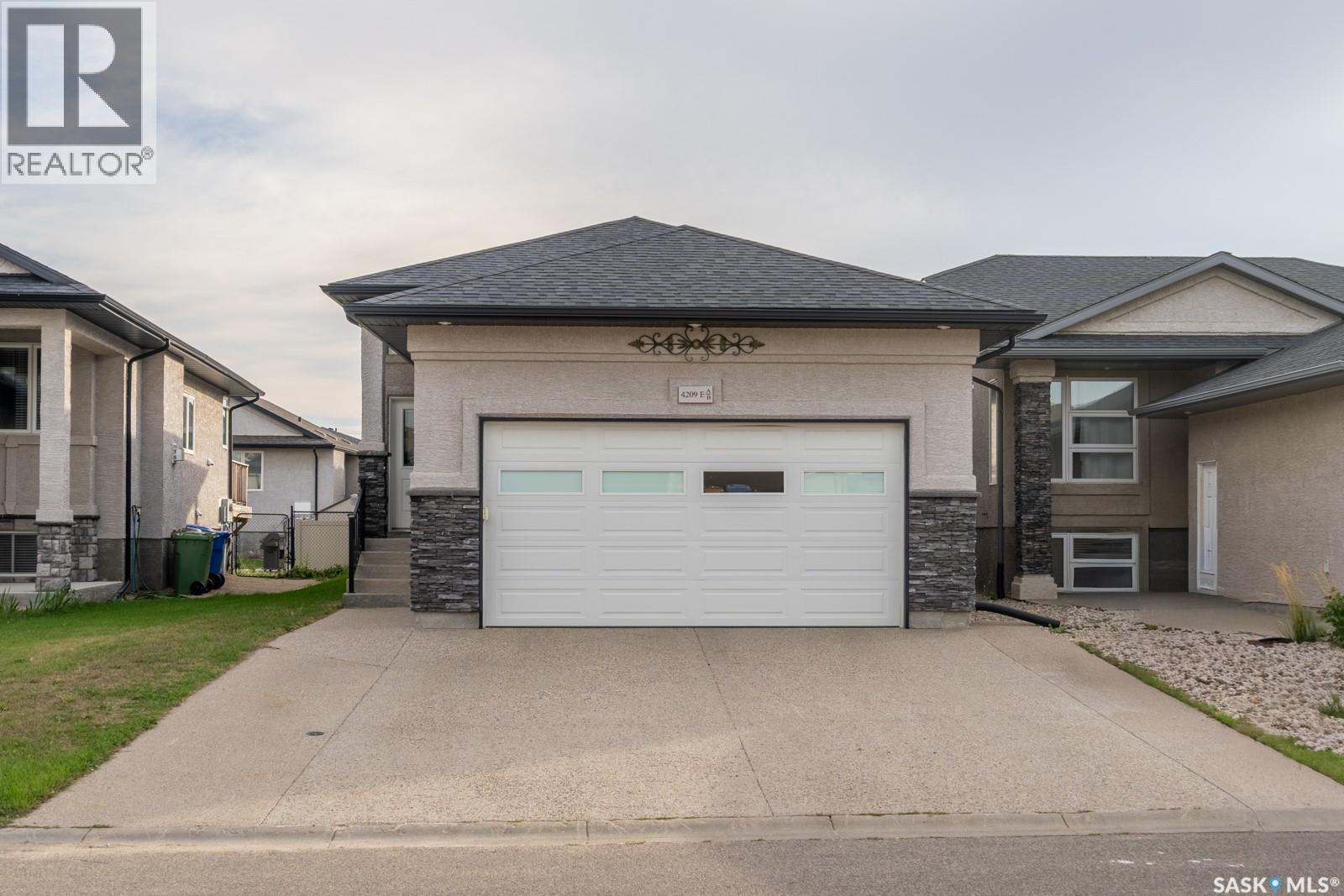
$599,000
4209 Green Olive WAY ERegina, Saskatchewan
Active
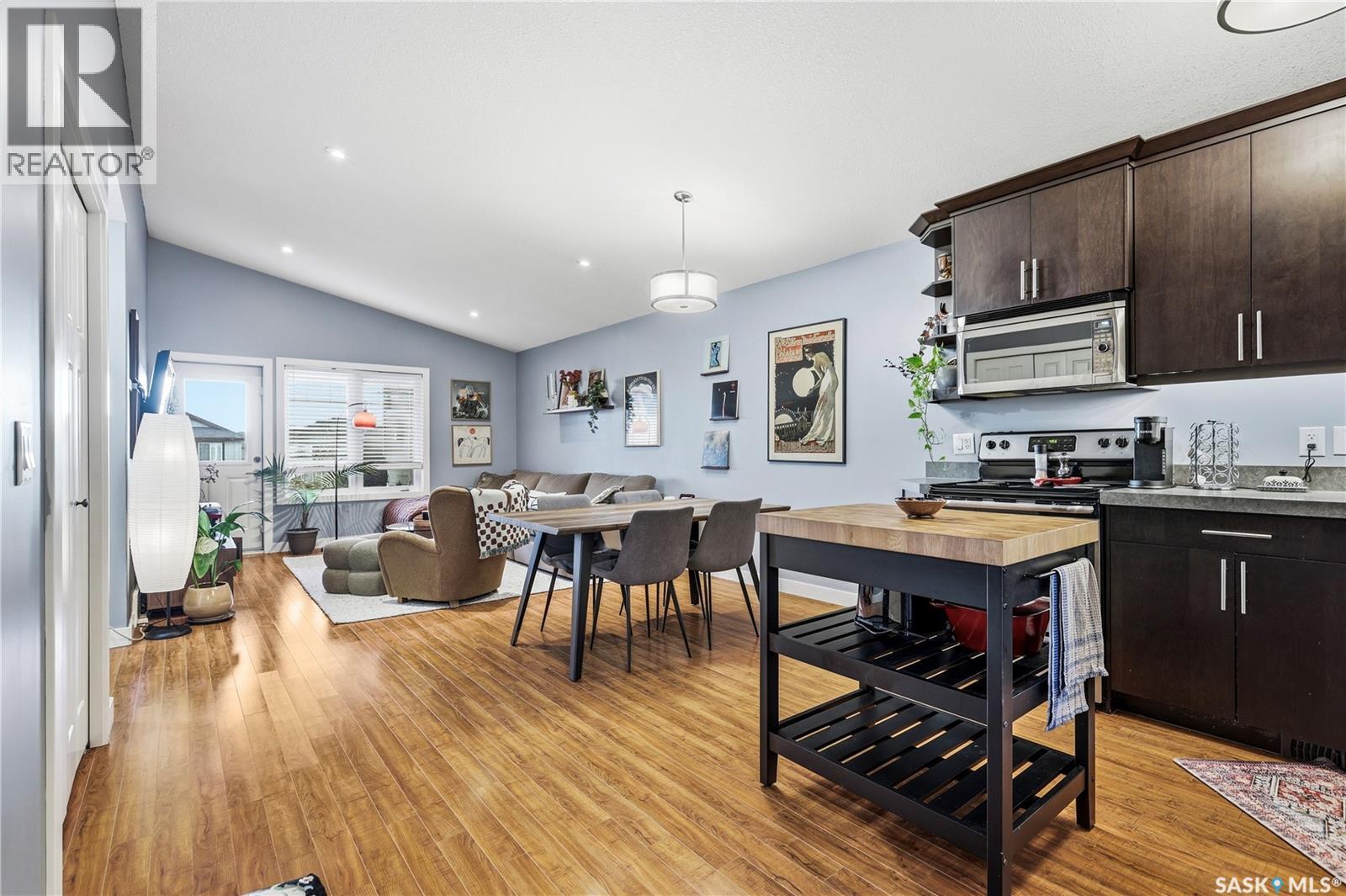
$270,000
3275 GREEN BANK ROADRegina, Saskatchewan
Active
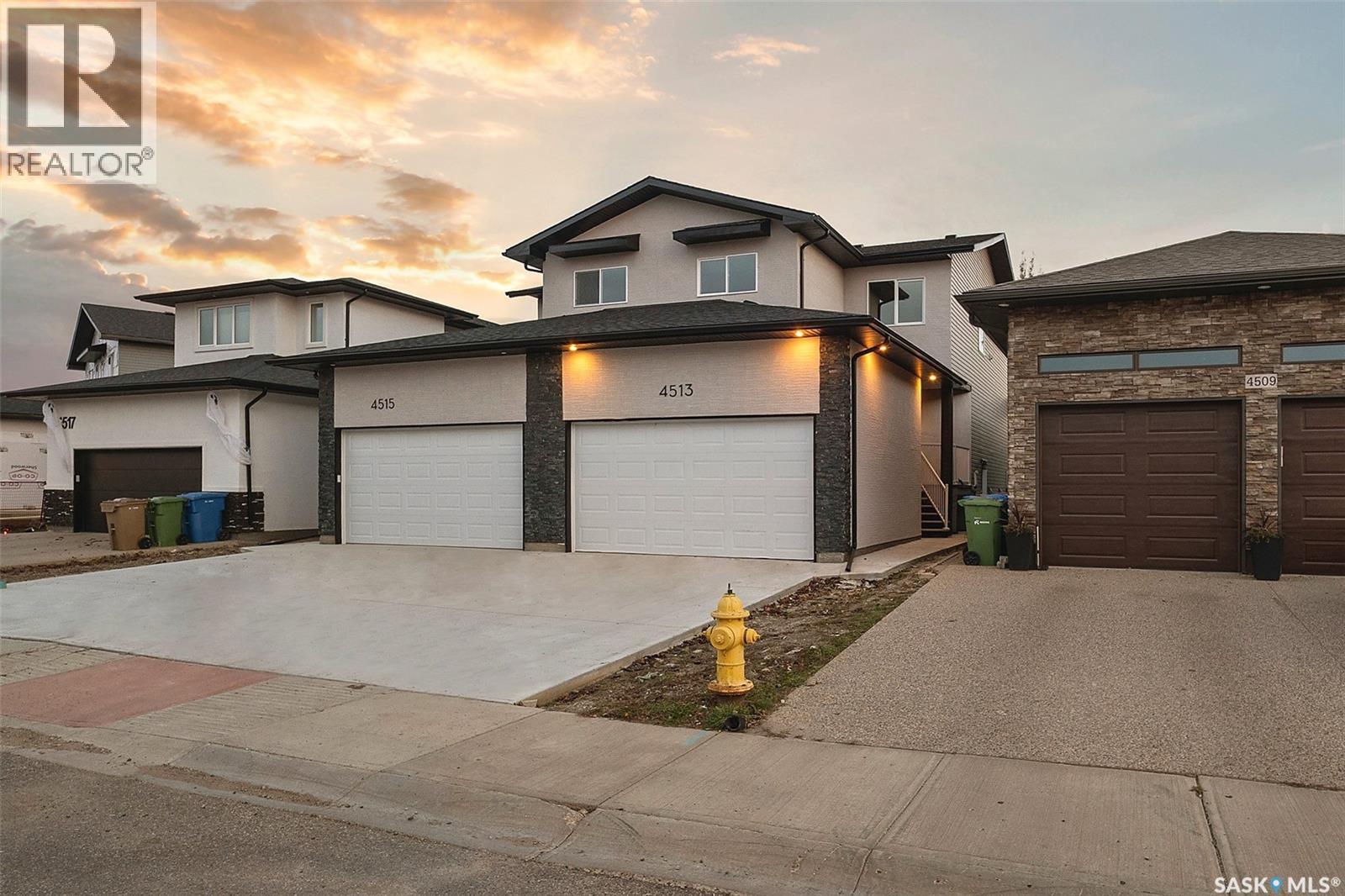
$549,900
4513 Green Brooks WAY ERegina, Saskatchewan
Active
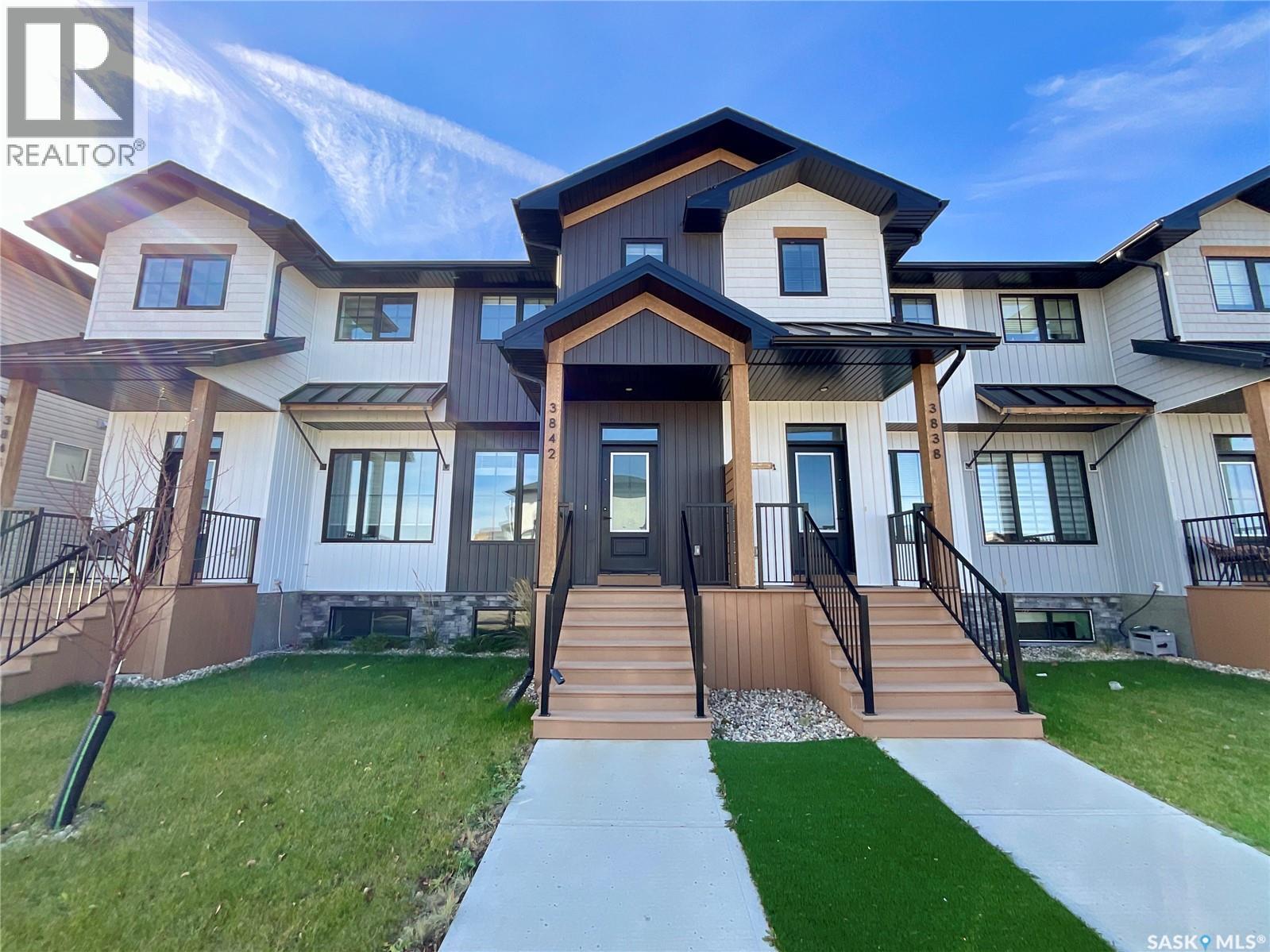
$399,800
3842 Green Diamond ROADRegina, Saskatchewan
Active
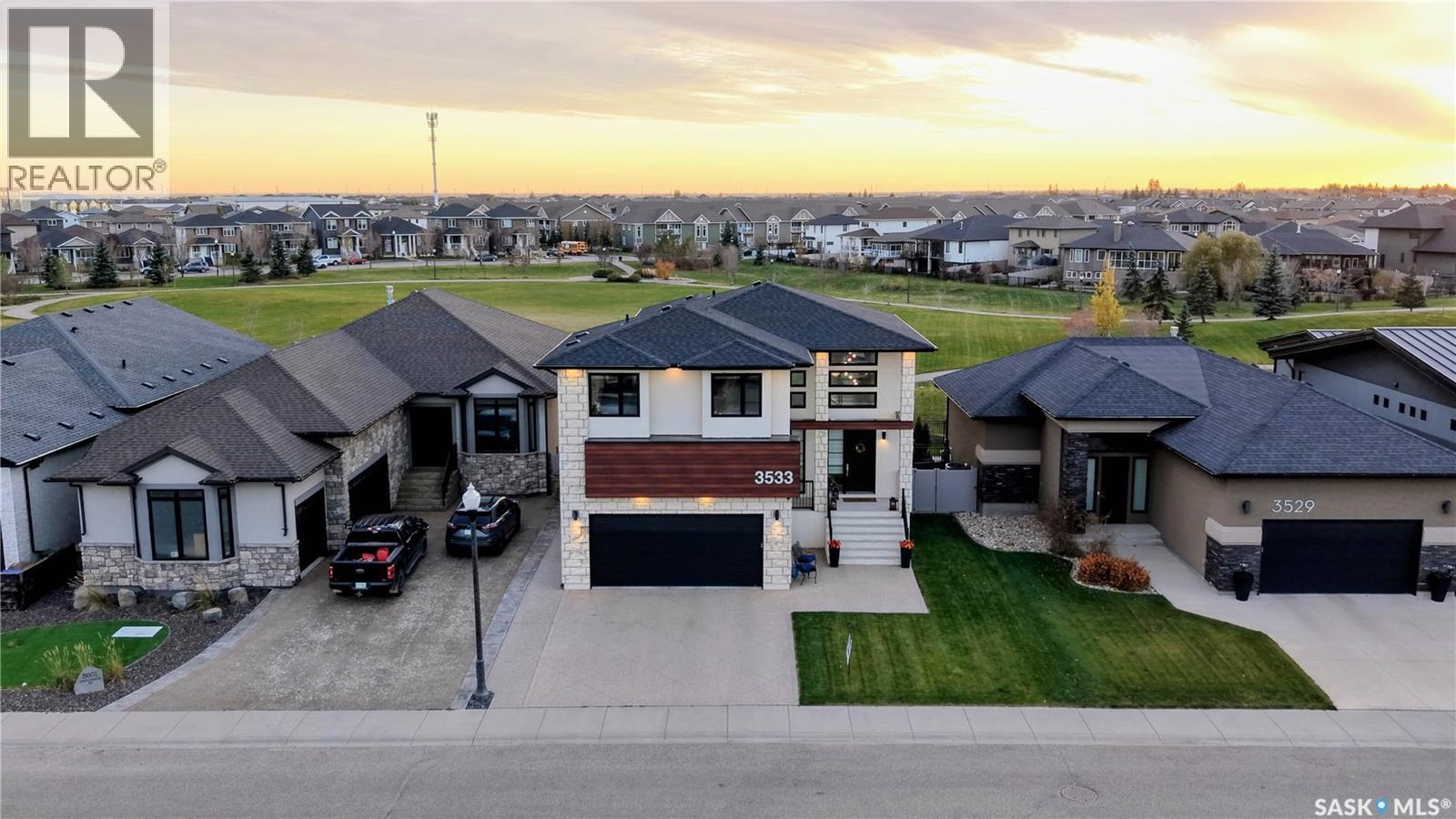
$1,049,900
3533 Green Brook ROADRegina, Saskatchewan
Active
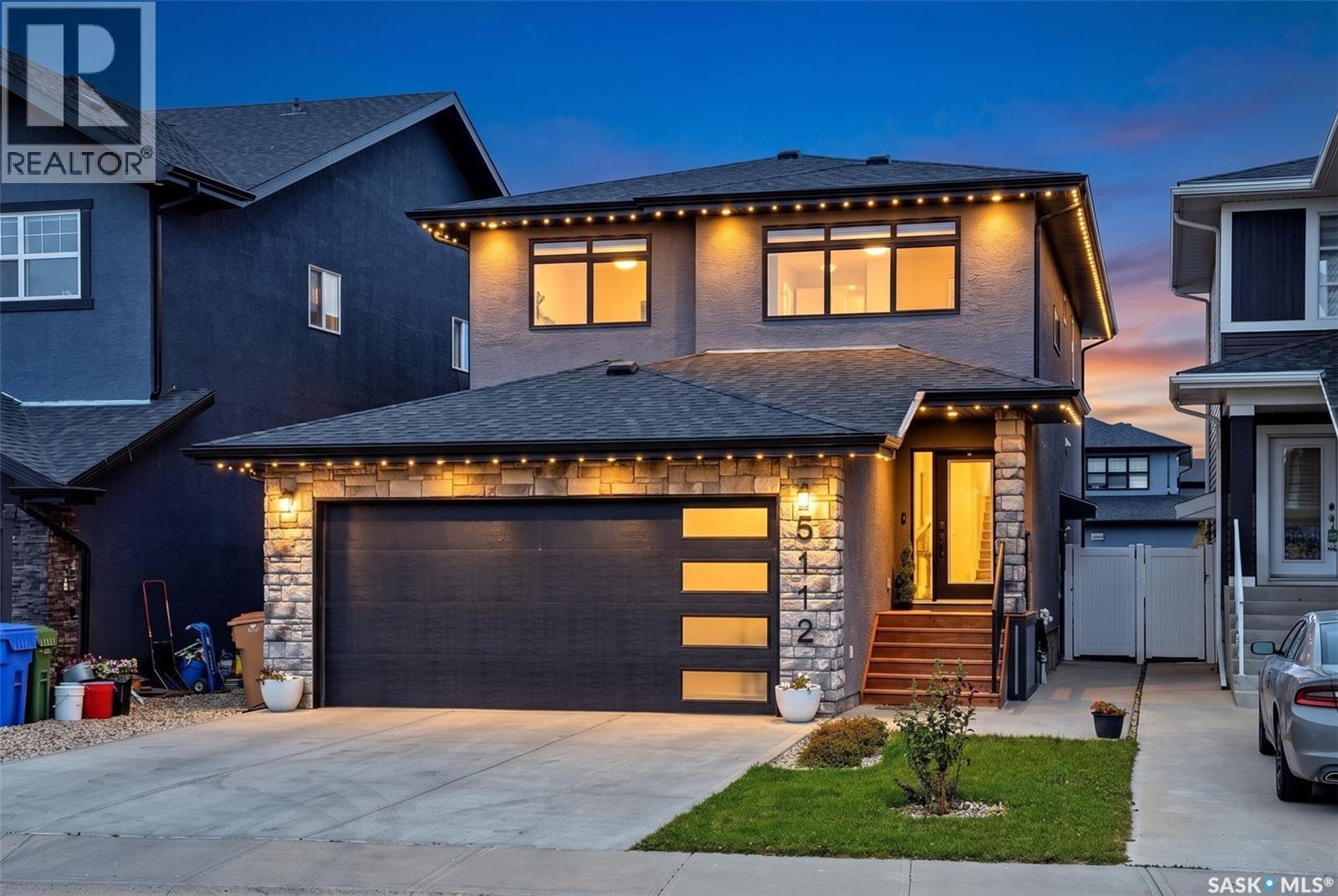
$849,900
5112 E Green CRESCENTRegina, Saskatchewan
Active
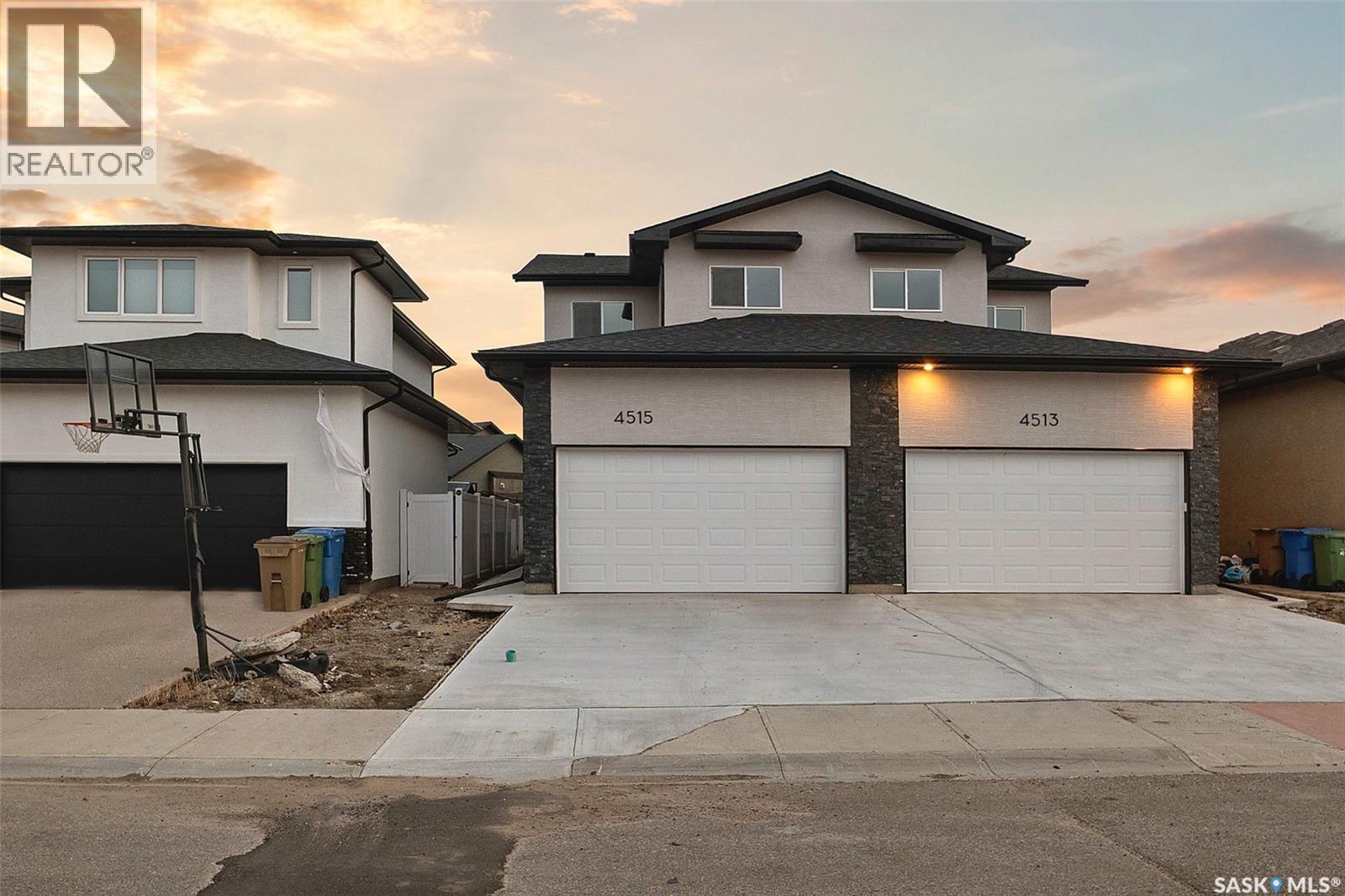
$549,900
4515 Green Brooks WAY ERegina, Saskatchewan
Active
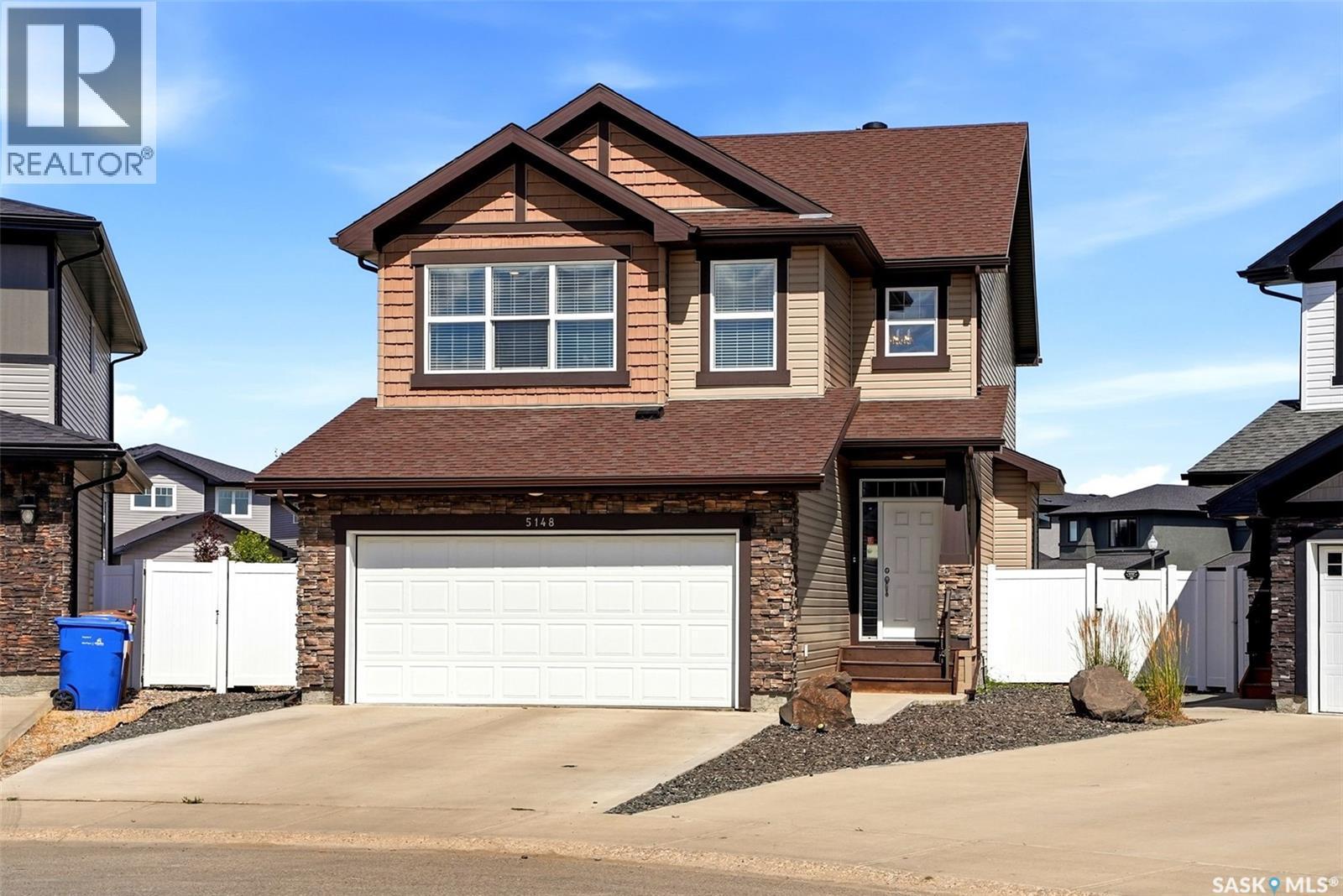
$749,900
5148 E Green CRESCENTRegina, Saskatchewan
Detached homes in Greens on Gardiner sold in a median of 21 days over the last 12 months. 50 sold in the last 6 months.
| Quarter | Median sold price | Sales |
|---|---|---|
| 2025 Q1 | $590,000 | 9 |
| 2025 Q2 | $582,000 | 24 |
| 2025 Q3 | $605,000 | 20 |
| 2025 Q4 | $580,000 | 13 |
| 2026 Q1 | $548,000 | 10 |
| 2026 Q2 | $523,000 | 24 |
| 2026 Q3 | $557,000 | 26 |
Half the detached homes sold each quarter went for more than this, half for less, rounded to the nearest $1,000. Quarters with fewer than 5 sales are left out.
Which price ranges sold most. A seller sees which range moves; a buyer sees where the choice is. Ranges with fewer than 5 sales are left out.
Medians and rates use 76 sales from the last 12 months. Figures are computed from MLS® System data of the Saskatchewan REALTORS® Association for detached homes that sold for $250,000 or more, November 7, 2024 to November 6, 2026. Deemed reliable but not guaranteed. Detached houses in the city of Regina that sold for $250,000 or more. Condos, townhouses, acreages, homes outside the city and sales under $250,000 are not counted. Homes for sale and listings that ended without a sale are counted the same way, as of November 9, 2026. MLS® data exported November 9, 2026.
You've got Acre 21 right there—groceries at Save-On-Foods, a pharmacy, restaurants—all accessible on foot through lit pathways. Over 40 acres of parks and green space wind through the neighbourhood, and the schools are within walking distance for most families. For families who want modern homes with genuine neighbourhood amenities rather than just promises, Greens on Gardiner consistently delivers.
I've shown a lot of new developments in Regina, and most of them talk about being "walkable communities" or having "nearby amenities." Greens on Gardiner actually delivered on those promises, and that's what sets it apart.
The centerpiece is Acre 21—a 21-acre commercial hub built right into the neighbourhood. You've got Save-On-Foods for groceries, Shoppers Drug Mart, Dollarama, a Sherwood Co-Op gas bar, plus restaurants and services. And here's the key part: the pathways from the residential areas actually connect to it. You can walk to pick up groceries or grab coffee without getting in your car.
That might not sound revolutionary, but compare it to most suburban developments where "nearby shopping" means a 10-minute drive. In Greens on Gardiner, it's a legitimate 5-10 minute walk.
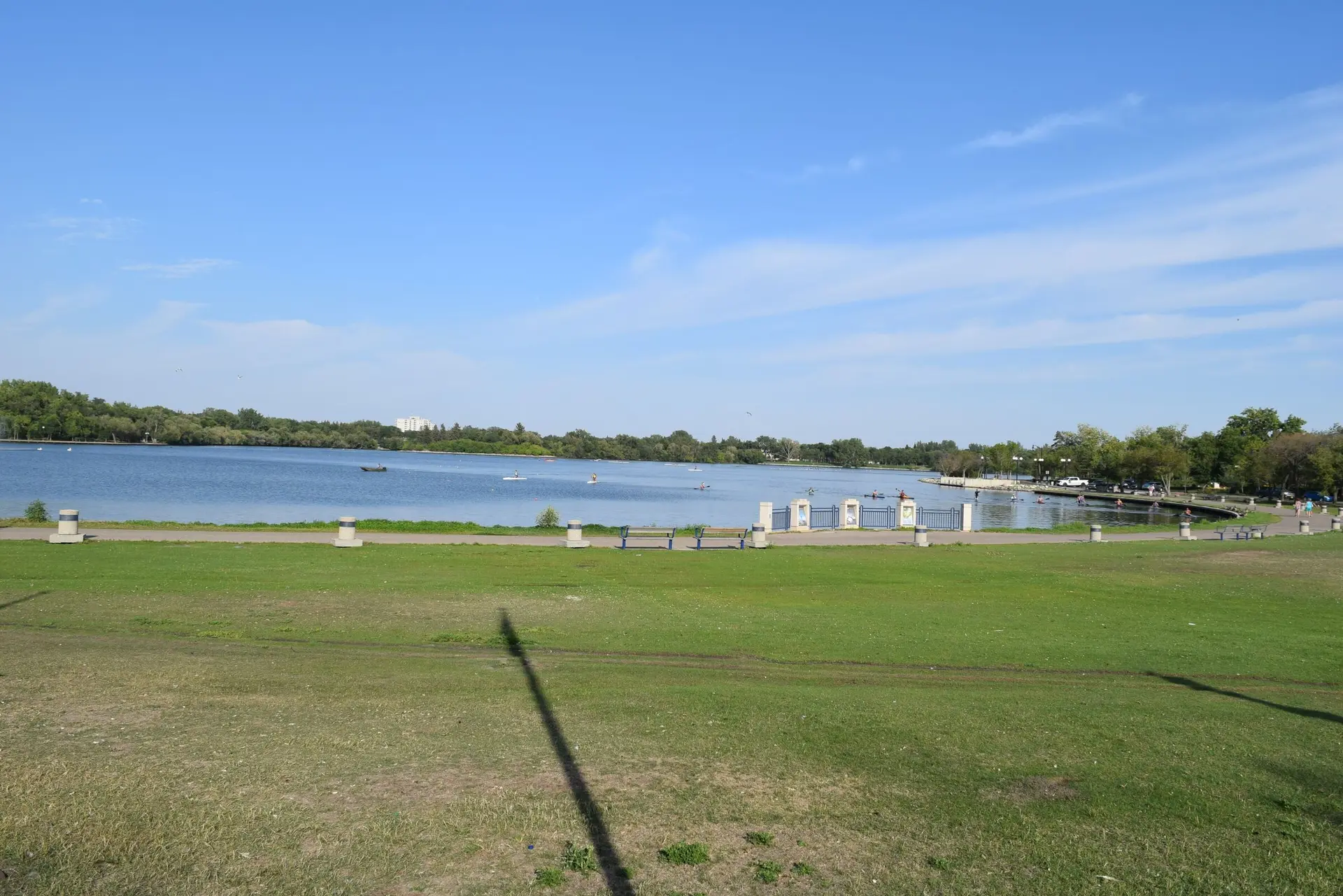
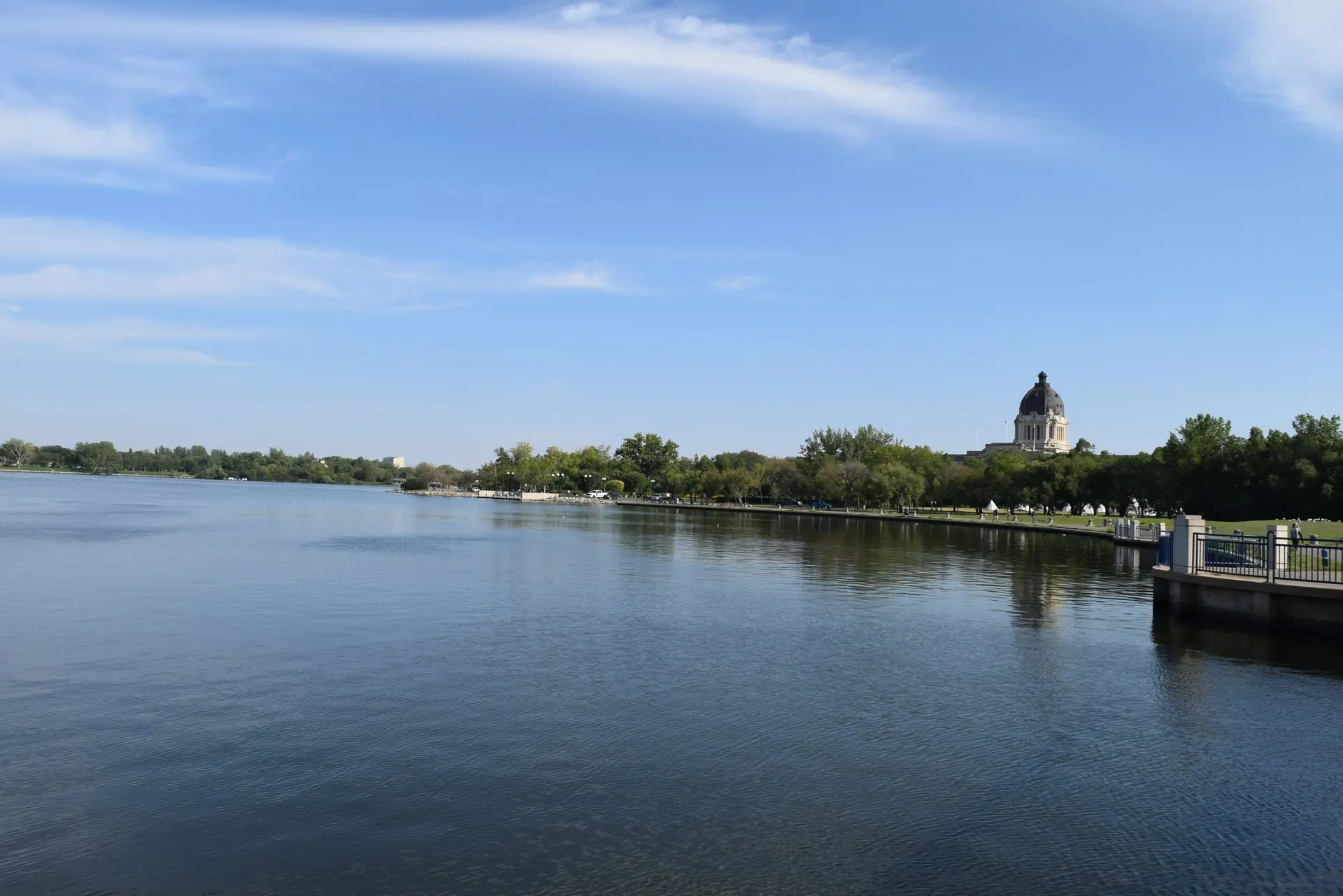
The other thing that makes this neighbourhood different: over 40 acres of dedicated parks and green space, plus an environmental reserve. The walking paths are lit, separated from vehicle traffic, and connect the entire community. When the weather cooperates, you see families actually using them—kids biking to school, people walking dogs, neighbors running into each other. That's what a planned community is supposed to look like.
Schools are usually one of the first questions I get from families looking at Greens on Gardiner. The good news: you've got solid options in both the Public and Catholic systems, and the schools are actually in the neighbourhood—not a 20-minute bus ride away.
Elementary: École Wascana Plains School
This is the primary public elementary for families in Greens on Gardiner. It opened in 2017 specifically to serve this growing area, and it's a K-8 school with dual-track programming—both English and French Immersion under one roof.
Here's what parents should know:
High School: Campbell Collegiate
Students from Greens on Gardiner feed into Campbell Collegiate for high school. It's Regina's largest public high school, located in Whitmore Park about 10-15 minutes south. Campbell offers Advanced Placement courses, French Immersion continuation, and extensive athletics. There's a dedicated transit route (Special Route 3) that connects Greens on Gardiner to Campbell for students who don't drive.
Elementary: École St. Elizabeth School
For Catholic families, École St. Elizabeth opened in 2017—the same year as Wascana Plains—to serve the growing southeast area. It's a K-8 school within the neighbourhood, making it genuinely walkable for most families.
High School: Dr. Martin LeBoldus Catholic High School
Catholic students typically transition to Dr. Martin LeBoldus for high school. It offers Advanced Placement courses, French Immersion, athletics, and comprehensive Catholic programming.
Here's something worth noting: the province announced new joint-use schools for the adjacent Towns neighbourhood in September 2024. A new elementary school with capacity for 1,400 students (800 Public, 600 Catholic) and a high school for 2,000 students are planned. While technically in The Towns, these facilities will serve families from Greens on Gardiner too. When they open, students won't need to commute to Campbell or LeBoldus anymore—there'll be high school options right in southeast Regina.
Safety matters, and I always try to give families an honest assessment. Greens on Gardiner sits in Regina's southeast quadrant, which consistently shows lower crime rates than the citywide average.
Here's what contributes to the neighbourhood's safety profile:
Neighbourhood design: Lit pathways, wide streets, separated sidewalks—the infrastructure creates natural visibility. When more people are out walking and using public spaces, there's more natural surveillance.
Active community: Families with kids, people walking to Acre 21, neighbors out in the parks—there's consistent activity in public spaces during daylight hours. That kind of community presence naturally deters problems.
Regional context: Southeast Regina has lower crime statistics than the city average. Property crime exists everywhere, but the rates in this area run below what you'd see in some other parts of the city.
I should mention: about 87% of Regina residents report satisfaction with their personal safety, which is a relatively high number. Crime statistics can look concerning in raw form, but the reality is that crime concentrates in certain areas—and Greens on Gardiner isn't one of them.
This is where Greens on Gardiner genuinely stands out. Acre 21 gives you walkable access to:
For bigger shopping trips, Aurora is nearby with Costco, Landmark Cinemas, Staples, PetSmart, and a broader range of retailers. That's a 5-10 minute drive depending on where you are in the neighbourhood.
The 40+ acres of parks and green space aren't just marketing—they're genuinely integrated into daily life. The walking paths connect residential areas to schools, to Acre 21, and to neighbourhood parks. They're lit for safety and separated from vehicle traffic, so kids can bike to school or to a friend's house without parents worrying about them sharing the road.
The parks include play structures, multi-use fields, and open green space. There's an environmental reserve preserving native prairie habitat. For organized recreation, Sandra Schmirler Leisure Centre is nearby for pools, fitness, and programming.
From Greens on Gardiner, you're looking at 10-20 minutes to downtown depending on traffic and your specific destination. If you work in southeast Regina's commercial or industrial areas, your commute could be shorter—5-10 minutes to some locations.
Transit exists—Route 60 and Special Route 3 serve the neighbourhood—but I'll be honest: most residents drive. Saskatchewan's climate and geography mean transit isn't always practical. The Special Route 3 is actually useful for students getting to Campbell Collegiate or LeBoldus, but for daily commuting, most families have vehicles.
The Creeks is Greens on Gardiner's more upscale neighbor.
Larger lots (14-18 meters wide vs. more typical suburban sizes), strict architectural standards requiring specific exterior materials, and adjacency to the Chuka Creek environmental reserve with preserved native prairie.
The trade-off: The Creeks is purely residential with no integrated commercial. You're driving for all shopping and services. Greens on Gardiner's Acre 21 gives you walkable daily conveniences that The Creeks doesn't have.
The Towns is Greens on Gardiner's immediate neighbor, and they share access to Acre 21. But the two neighbourhoods have different design philosophies.
Greens on Gardiner started developing in the mid-2000s with traditional suburban layouts—front-loading garages, conventional lot configurations, single-family homes as the primary product. The Towns (mid-2010s) embraced "New Urbanism" with higher density, street towns (row housing), lane homes with rear garages, and more urban design elements.
The Towns also has Welcome Woodland—a small artisan commercial hub with local coffee, ice cream, and specialty shops—that complements Acre 21's more conventional retail.
If you prefer traditional suburban homes with established community character, Greens on Gardiner is more your style. If you're drawn to contemporary urban design and want maximum walkability, The Towns might appeal more.
Woodland Grove is an established neighbourhood west of Greens on Gardiner with homes built primarily in the 1980s and 1990s. It's known for its Tyndall stone walls and gated entrance features that give it a distinctive enclosed character.
The big difference: age and character. Woodland Grove has mature trees, 20+ years of established community history, and that "settled" feel that newer neighbourhoods can't replicate. But the homes are 30-40 years old, which means potentially higher maintenance and less energy efficiency.
If you prefer mature neighbourhoods with established character, Woodland Grove delivers that. If energy efficiency and modern building standards matter, Greens on Gardiner is the better choice.
Families with young children should know about First Years Learning Center, a government-licensed childcare facility right in the neighbourhood. It has 90 full-time spaces serving children in the Wascana Plains and St. Elizabeth school catchment areas.
Having licensed childcare within walking distance is a genuine convenience—you're not adding an extra 20-minute detour to your morning routine to drop off kids before work. The center also qualifies for provincial childcare subsidies, which helps with affordability.
I always try to give my clients the complete picture, including the considerations:
High school commute: Until the new high school opens in The Towns, students are commuting to Campbell Collegiate or LeBoldus. That's 10-15 minutes by car or transit—not terrible, but not as convenient as elementary school access.
Some ongoing development: While Greens on Gardiner is largely built out, adjacent areas are still developing. You may experience some construction activity in surrounding neighbourhoods.
Car still necessary: Despite the walkability to Acre 21, you'll still need a vehicle for most activities beyond daily grocery runs. Saskatchewan's climate and city layout mean transit isn't practical for everyone.
Younger trees: As a newer development, the landscaping isn't mature. You won't have the established tree canopy that older neighbourhoods offer. That takes 15-20 years to develop.